Package Builder
Build macOS installer packages easily.
Version 2 — $30 — Requires macOS 13 or Later
Package Builder
Build macOS installer packages easily.
Version 2 — $30 — Requires macOS 13 or Later
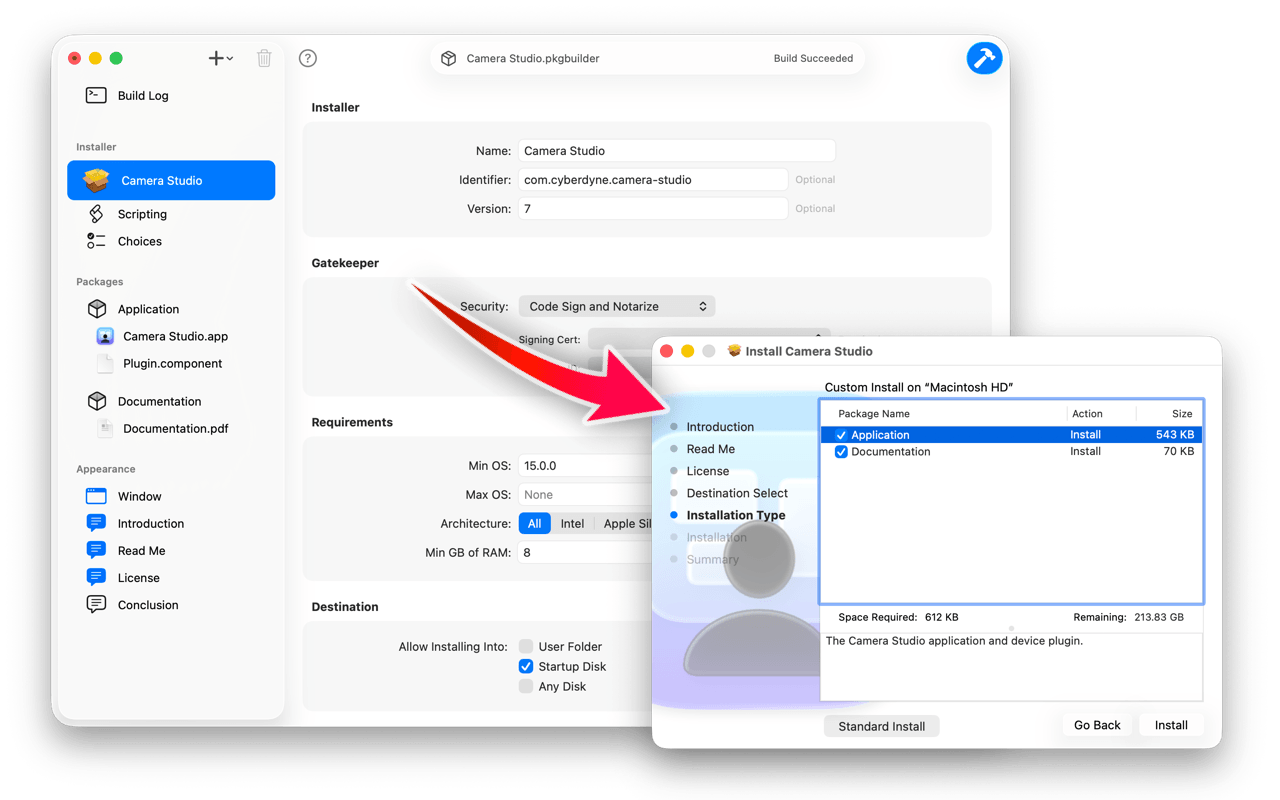
Apple has left macOS installer package building to the realm of command line wizards, with little and unclear documentation, making it take hours to even understand how to build an installer correctly. — Package Builder makes it super easy to build installer packages by simplifying the process: Simply drag and drop your files, set a few settings, and click "Build". Done. Headache-free.
The internet is full of posts from people trying to create a macOS installer package correctly, which is a testament to how confusing and time consuming it can be. Your time is worth more. — Package Builder makes it super easy to build installer packages by simplifying the process: Simply drag and drop your files, set a few settings, and click "Build". Done.

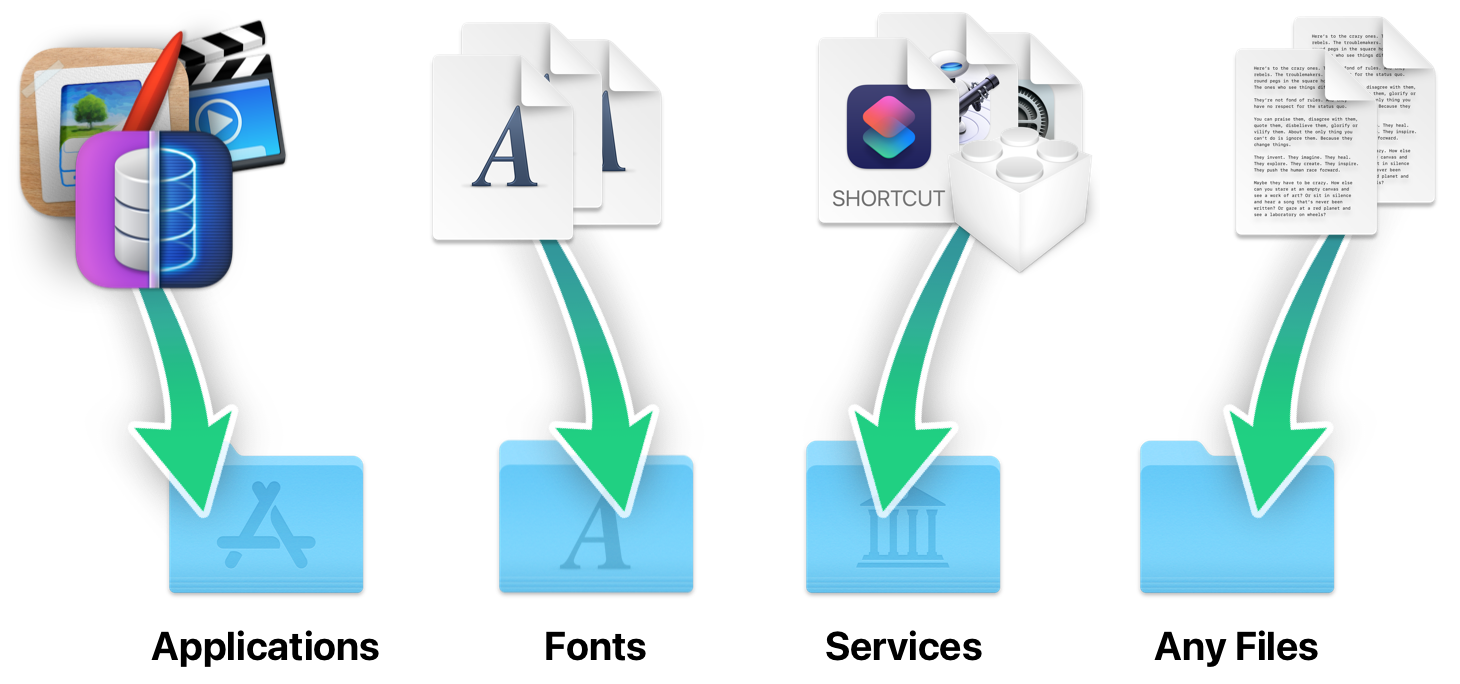
…Applications, Fonts, Screensavers, Automator workflows, Shortcuts, Extensions, Device Component Plugins, Sounds, Preference Panes, Input Managers, Color Pickers, Desktop Pictures, and anything else.
By clicking the "Read" button, the utility displays the Hardware Type (e.g., HWType 0x46 or similar), which is critical for choosing the correct firmware file.
In the world of Volkswagen, Audi, Seat, and Skoda diagnostics, (formerly known as VAG-COM ) is the industry-standard software for enthusiasts and professionals. However, when working with aftermarket or cloned VCDS cables—often termed "HEX-USB" or "HEX-CAN" interfaces—users sometimes encounter communication issues, firmware mismatches, or the need to "reflash" their cable to work with newer software versions.
is a specialized diagnostic utility designed specifically for the VCDS interface hardware (cable). Its primary purpose is to identify the Hardware Type (HW Type) and firmware version of the VCDS interface plugged into your computer.
If an official interface gets stuck, use the VCIConfig utility rather than VAGCOM_HWType.exe . Vagcom-hwtype.exe
Plug your USB VCDS cable into the computer and to a 12V source (such as the car's OBDII port). Run the Utility: Run VAGCOM_HWType.exe . Read Hardware: Press the Read button.
It detects the specific hardware version of your diagnostic interface. Bootloader Status:
If you are currently setting up a VAG diagnostic station, let me know the you are working on, the version of Windows you are running, or if you are encountering a specific error code during the hardware read phase so I can tailor the setup parameters for your device. Share public link By clicking the "Read" button, the utility displays
It verifies whether the internal memory can read and write data correctly to ensure stability during diagnostic sessions. Understanding the Risks: Malware and Bricking
Vagcom-hwtype.exe serves two main functions: hardware identification and bootloader verification.
Ensure the cable is recognized under "Universal Serial Bus controllers" or "Ports (COM & LPT)" without a yellow exclamation mark. Step 4: Run the Hardware Check Plug your USB VCDS cable into the computer
Crucially, Vagcom-hwtype.exe is not compatible with all VCDS cables. It is specifically designed for interfaces based on the microcontroller chip.
To ensure a safe and effective experience when working with Vagcom-hwtype.exe:
Set a custom background image for both light mode and dark mode interfaces.
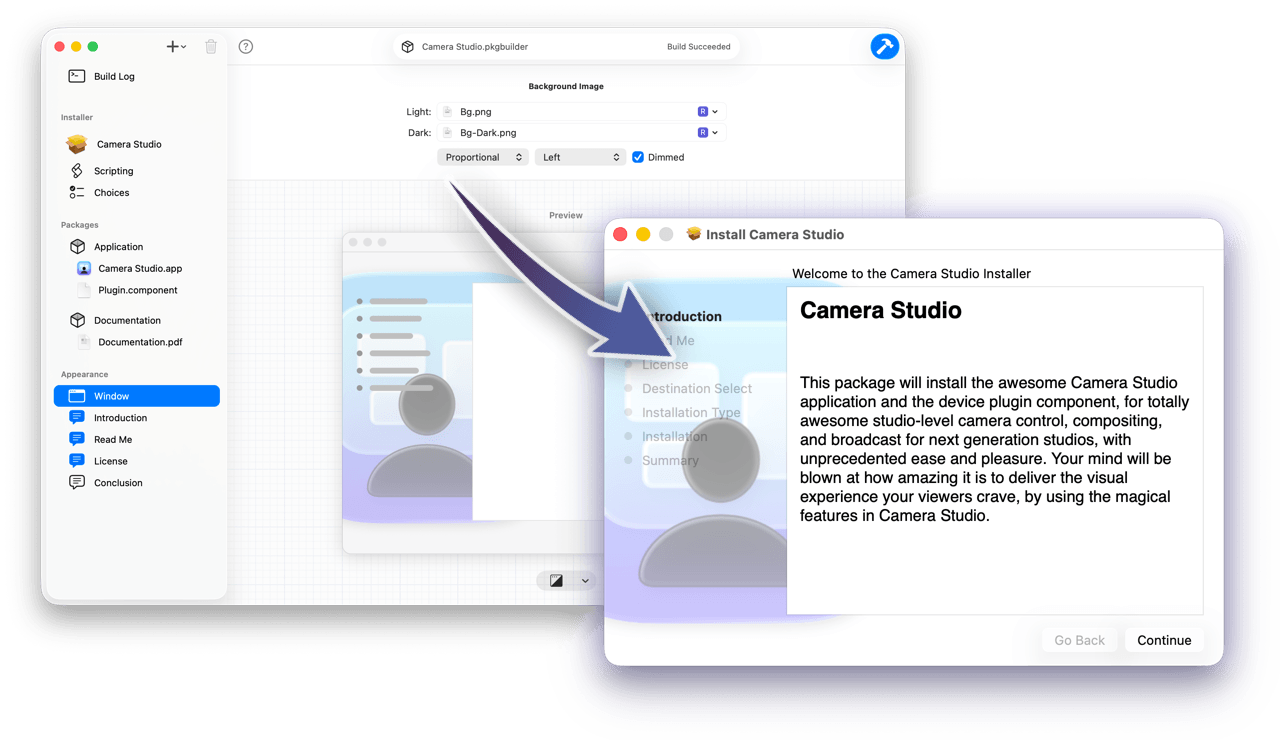
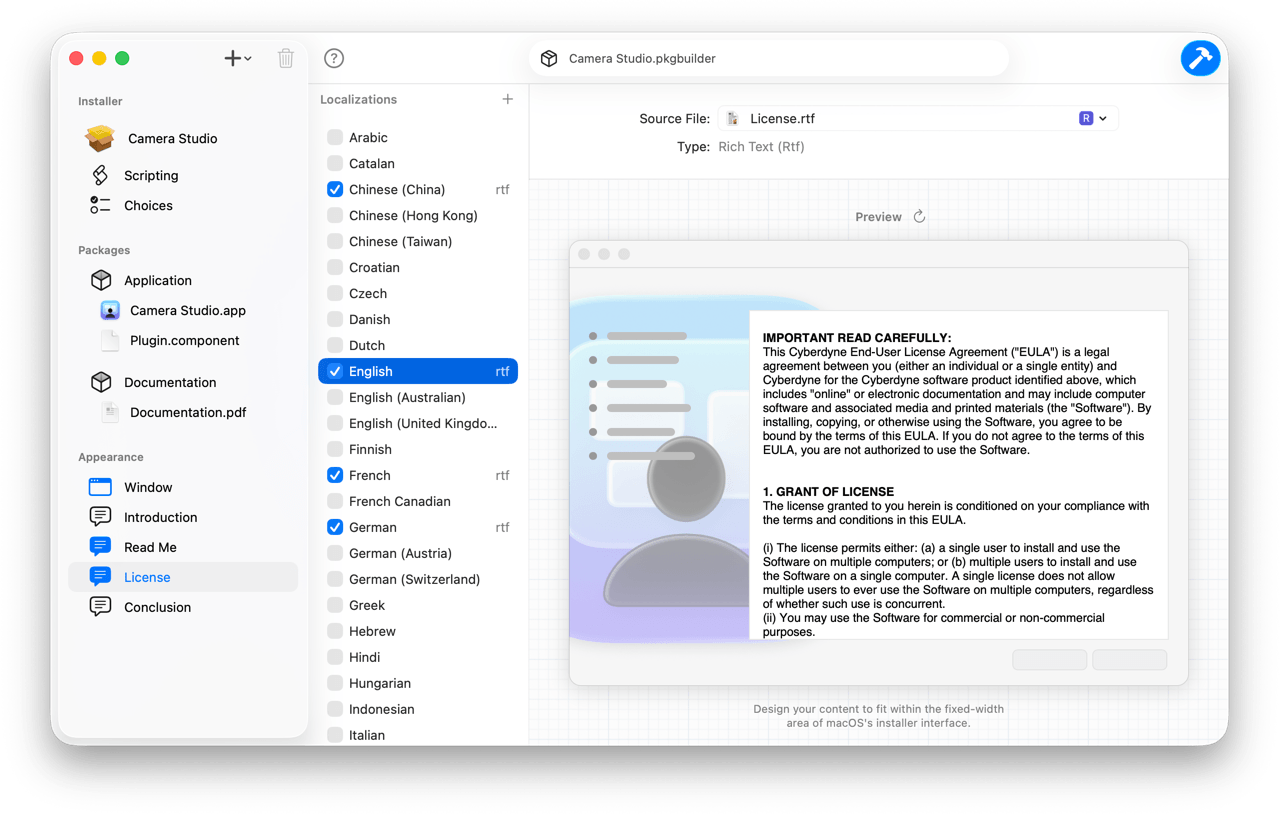
Add custom text.
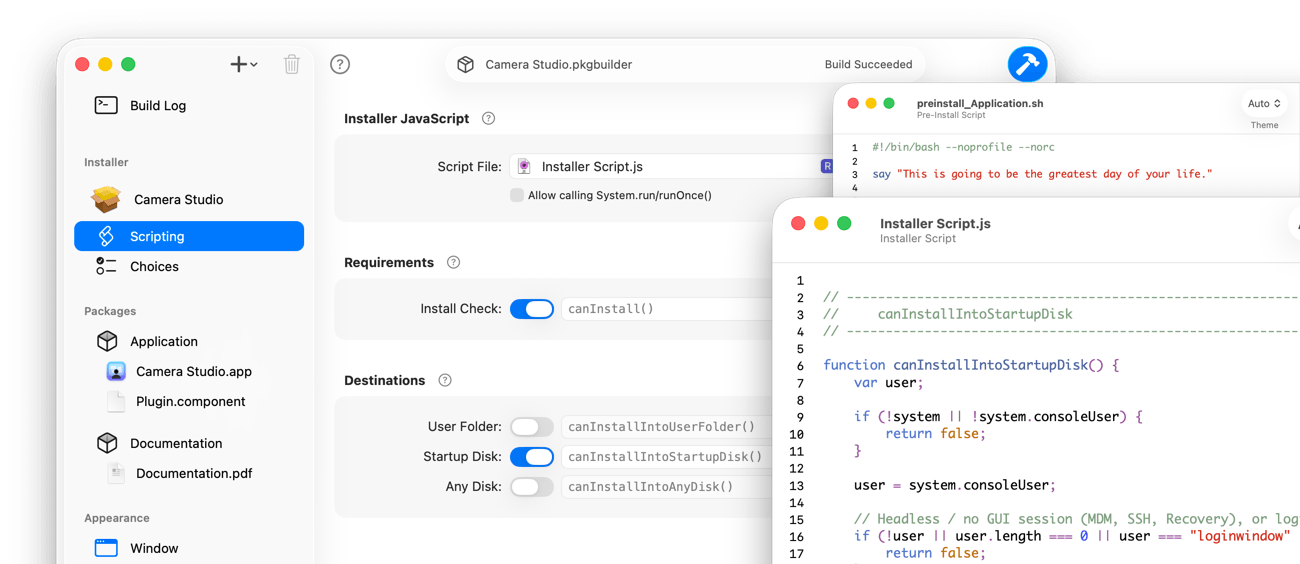
Customize the installer behavior with Installer JS scripting, and pre/post-install shell scripts. Figuring out exactly what command line arguments and environment variables there are to use is a cinch, because the built-in shell script editor conveniently lists them all with documentation.
Just like Apple does, when shipping your .pkg file, you may want to place it in a disk image .dmg with a beautiful background and perhaps a license agreement as well. Package Builder integrates with DMG Canvas which is the perfect tool for building your disk image. With this integration, building your disk image in DMG Canvas will now automatically build your installer in Package Builder, and place the .pkg file into your disk image, code signed, notarized, and ready to go.
Check Out DMG Canvas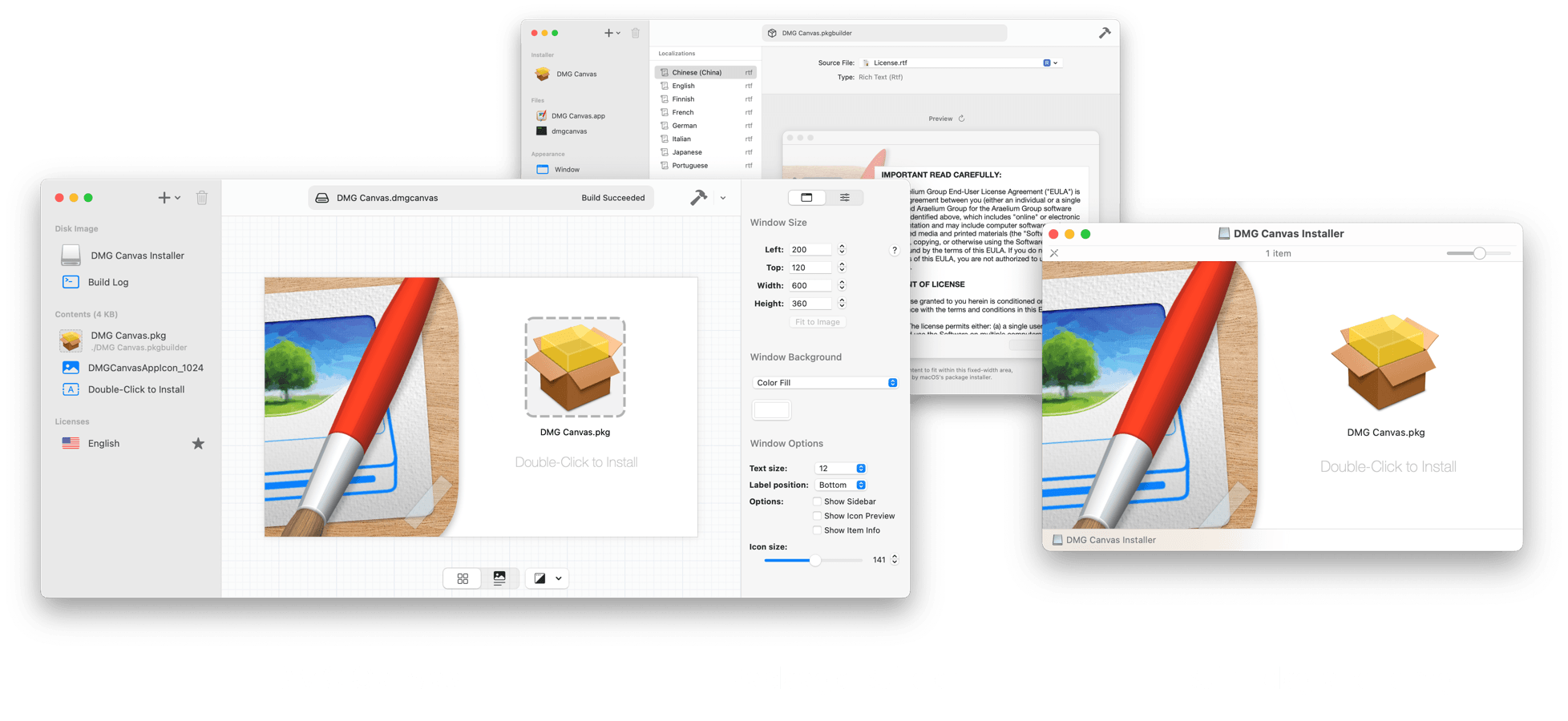
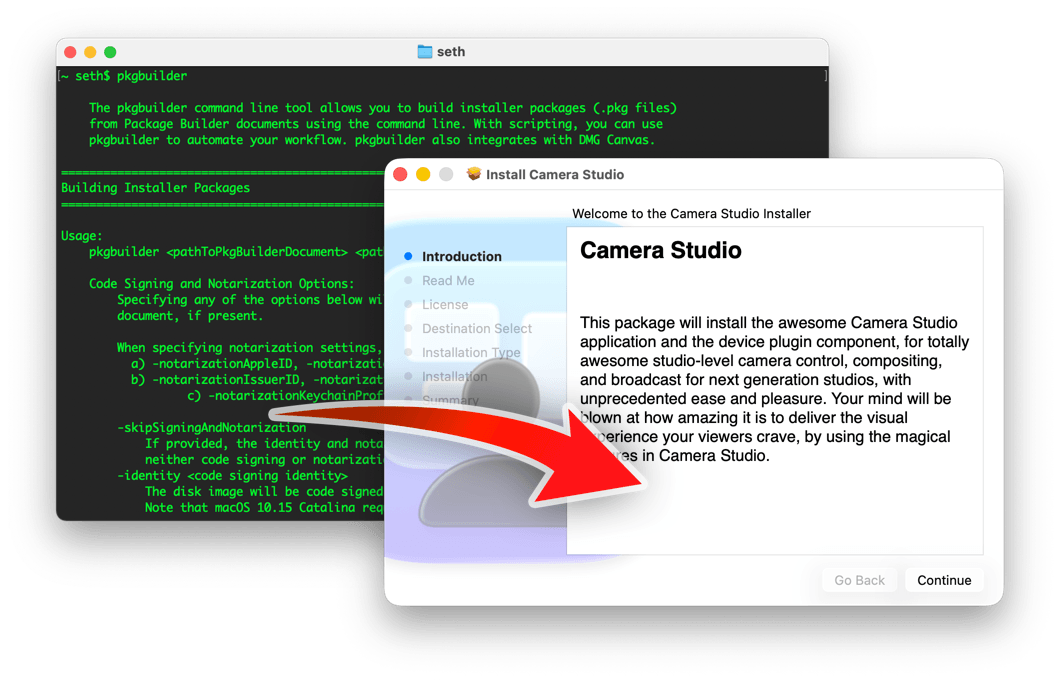
Package Builder's significance is in not requiring the command line to build an installer package, but of course you can absolutely automate it as part of your own build process using the pkgbuilder command-line tool, it's a trivial single call that Just Works.
By using the pkgbuilder tool, you can integrate building your pkg files into your normal build workflow, such as building an application in Xcode. Using the pkgbuilder tool is as simple as passing it the '.pkgbuilder' and the path to save your '.pkg' file to. That's it.